 by
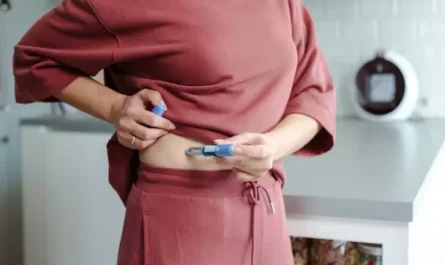
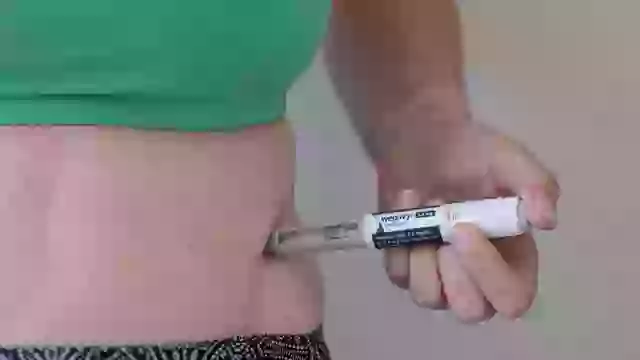
by Weight loss injections like Wegovy (semaglutide) and Mounjaro (tirzepatide) have quickly become some of the most talked-about treatments for obesity and type 2 diabetes. According to a recent Gallup National Health and Well-Being Index, around 15.5 million adults in the US – nearly six percent of the population – are now using these drugs to manage their health and weight.
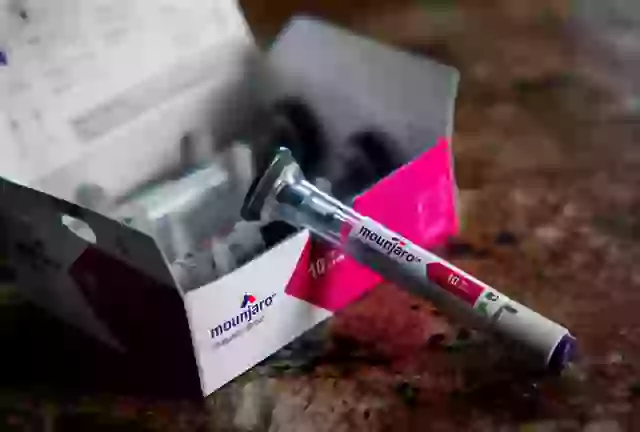
Millions take weight loss jabs like Mounjaro (Sandy Huffaker for The Washington Post via Getty Images)
But while these jabs are proving effective in helping people shed pounds, experts are sounding the alarm: what happens when you stop taking them?
The “Bounce-Back” Effect
Research shows that many patients experience significant weight regain after discontinuing GLP-1 drugs. For example:
- In a Wegovy clinical trial, patients put back on about two-thirds of the weight they originally lost once they stopped treatment.
- A study on Mounjaro had similar findings, with researchers reporting “substantial regain” after the injections were withdrawn.
- In China, a large study of 2,466 patients found that noticeable weight gain began as quickly as eight weeks after stopping treatment.
So while the injections can be a powerful tool, they aren’t a one-and-done solution.
Why Does This Happen?
GLP-1 medications work by helping control appetite and blood sugar. Once the drugs are stopped, the body often reverts back to its old hunger and metabolism patterns, making it much harder to maintain the weight loss without additional support.

The advice could include encouraging patients to join a local walking group (MIGUEL RIOPA/AFP via Getty Images)
That’s where health experts say the real gap lies. Many patients are prescribed these jabs alongside advice on diet and exercise, but when the treatment ends, ongoing support often disappears.
Experts Call for More Long-Term Support
The UK’s National Institute for Health and Care Excellence (NICE) has now rolled out a new standard urging healthcare providers to offer structured, tailored support after patients stop taking weight loss medication.
This could include:
- Working with a dietitian or nutritionist
- Joining walking or fitness groups in the local community
- Learning how to adapt routines at work and home
- Using self-monitoring tools to stay accountable
- Connecting with online peer support networks
Dr. Rebecca Payne, Chair of NICE’s advisory committee, explained:
“Weight management is a long-term journey, not a short-term fix. The evidence is clear that advice and support after stopping medicines can help prevent weight regain.”
Professor Jonathan Benger, NICE’s Chief Medical Officer, added that the focus should shift from a “sickness service” to a “genuine health service” that prioritizes prevention.

A nutritionist could also help patients (Getty Stock Image)
The Bottom Line
Wegovy and Mounjaro can absolutely help kickstart weight loss and improve health, but the real challenge is keeping the weight off once the injections stop. Experts stress that lasting success comes from combining medication with sustainable lifestyle changes and continued support.
If you’re considering or currently using weight loss jabs, it’s worth discussing with your doctor not only how to lose the weight—but also how to keep it off long-term.
For more information on healthy weight management, visit NICE guidelines or check trusted resources like the CDC on Healthy Weight.